
The Silent Threat: Heavy Metal Exposure in Tradesmen's Work Environments
- nutriawellness
- Feb 19, 2025
- 2 min read
Tradesmen, particularly those working in construction, welding, plumbing, and the automotive industries, are frequently exposed to hazardous heavy metals. These metals pose serious health risks, ranging from neurological disorders to respiratory diseases. Understanding the sources and dangers of these metals is crucial for workplace safety and long-term health.
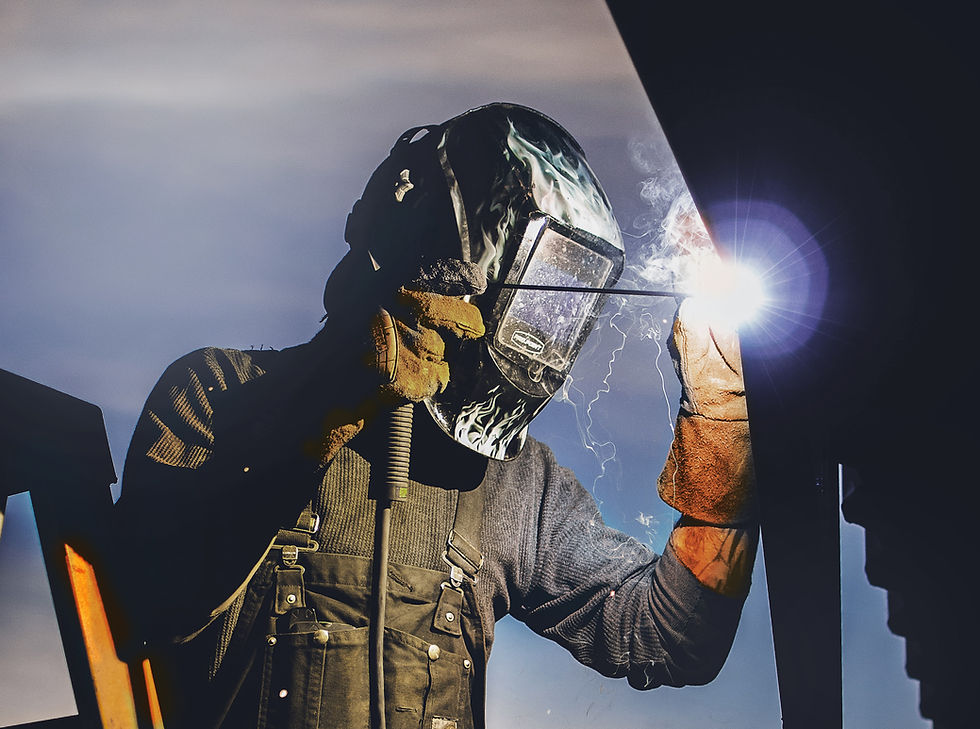
Top Heavy Metals That Tradesmen Are Exposed To
1. Lead (Pb)
Sources: Old paint, plumbing pipes, batteries, soldering materials.
Health Risks: Nervous system damage, cognitive decline, kidney damage, high blood pressure.
Commonly Affected Trades: Painters, plumbers, electricians, construction workers.
2. Mercury (Hg)
Sources: Old thermometers, dental fillings, industrial emissions.
Health Risks: Neurological disorders, memory loss, tremors, kidney damage.
Commonly Affected Trades: Miners, chemical workers, electricians.
3. Cadmium (Cd)
Sources: Batteries, welding fumes, metal coatings, plastics.
Health Risks: Lung damage, kidney disease, increased risk of cancer.
Commonly Affected Trades: Welders, battery manufacturers, metalworkers.
4. Arsenic (As)
Sources: Treated wood, pesticides, industrial waste.
Health Risks: Skin lesions, lung cancer, cardiovascular diseases.
Commonly Affected Trades: Construction workers, agricultural workers, miners.
5. Chromium (Cr) – Especially Hexavalent Chromium
Sources: Stainless steel welding, chrome plating, pigments in paints.
Health Risks: Lung cancer, respiratory issues, skin irritation.
Commonly Affected Trades: Welders, metalworkers, painters.
6. Nickel (Ni)
Sources: Stainless steel, batteries, welding rods.
Health Risks: Respiratory issues, skin allergies, lung cancer.
Commonly Affected Trades: Welders, machinists, battery manufacturers.
7. Aluminum (Al)
Sources: Metalworking, packaging, construction materials.
Health Risks: Possible links to neurological disorders, lung irritation.
Commonly Affected Trades: Construction workers, machinists, factory workers.
Health Risks & Long-Term Effects
Prolonged exposure to heavy metals can lead to serious chronic health conditions, including:
✅ Neurological disorders (memory loss, cognitive impairment, nerve damage) ✅ Lung disease & respiratory issues ✅ Kidney and liver damage ✅ Increased risk of cancer ✅ Cardiovascular problems
Prevention & Safety Measures
Tradesmen can reduce exposure to heavy metals by implementing these safety practices:
1. Use Proper Protective Equipment (PPE)
Wear respirators, gloves, protective clothing, and safety goggles when handling hazardous materials.
2. Improve Ventilation
Work in well-ventilated areas or use local exhaust ventilation systems to reduce inhalation of toxic fumes.
3. Regular Blood & Urine Testing
Routine medical screenings can help detect heavy metal exposure early and prevent long-term health issues.
4. Follow Workplace Safety Regulations
Ensure compliance with Occupational Safety and Health Administration (OSHA) standards for heavy metal exposure limits and safety procedures.
5. Use Safer Alternatives When Possible
Substitute hazardous metals with non-toxic or less harmful materials whenever possible.
Protecting Tradesmen from Heavy Metal Exposure
Heavy metal exposure is an unseen but serious danger for tradesmen. Awareness, prevention, and proper safety measures are key to protecting workers from long-term health complications. Employers and workers alike must prioritize safety protocols to minimize risks and promote a healthier work environment.
By implementing preventative strategies, tradesmen can reduce their exposure and safeguard their well-being for years to come.


Comments