
10 Top Essentials You Need for Foraging: A Guide for Families Using a Foraging Curriculum
- nutriawellness
- Oct 1, 2024
- 5 min read
Updated: Oct 7, 2024
Foraging is an exciting way for families to connect with nature while gaining hands-on experience in natural nutrition and wild plant identification. When our family started foraging, it was a great way to make our daily walks seem more adventurous and engaging for our kids (like a giant Easter egg hunt)! For each plant and fungi, we found we would identify it and learn about all of its amazing health benefits, this gradually led us down a more health-conscious path in our lives helping us become more aware of what we were eating each day.
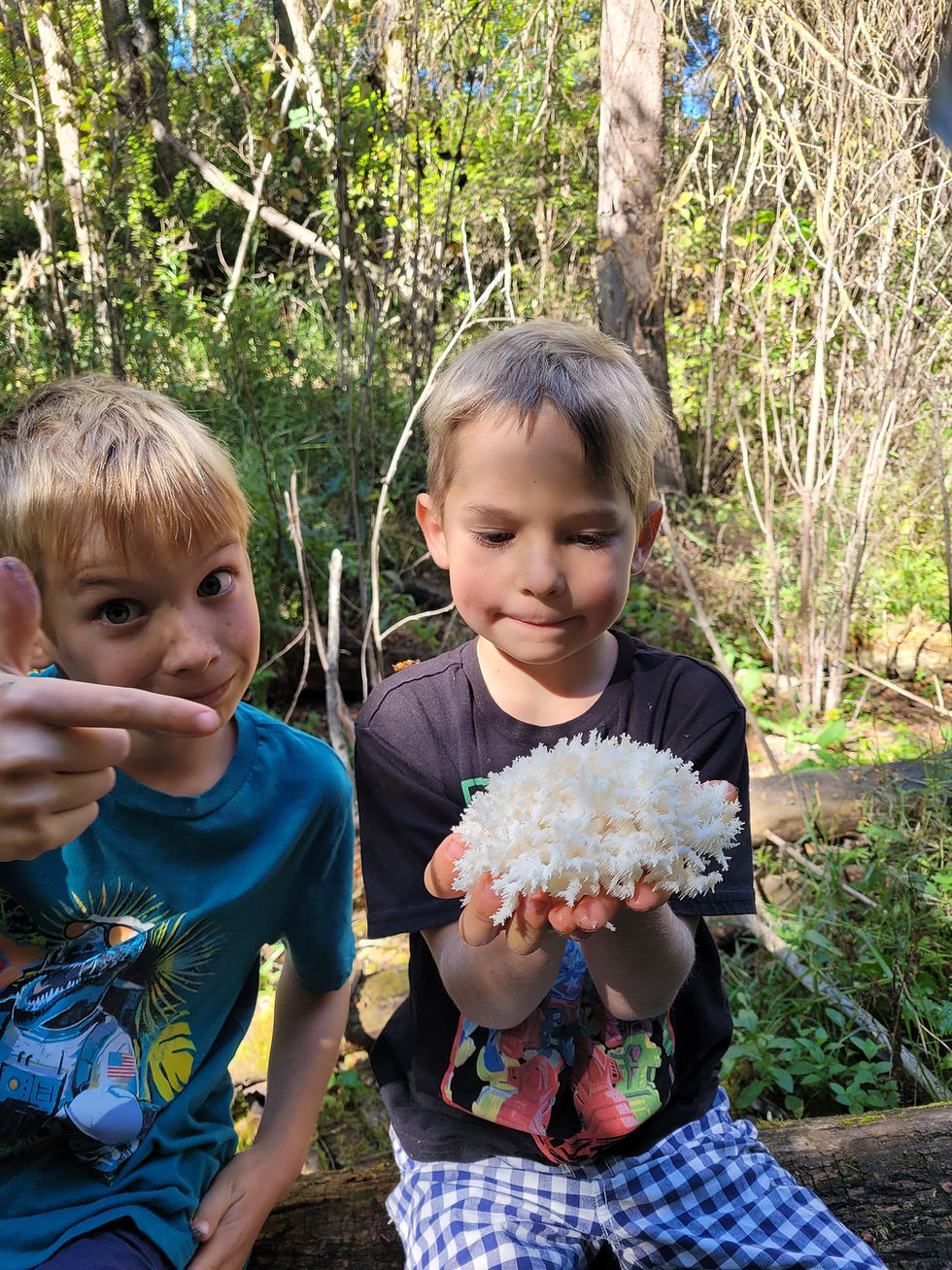
If you’re using a foraging curriculum for your homeschool education, having the right tools is essential for a safe and successful adventure. Whether you’re just starting or looking to refine your toolkit, this guide covers the essentials every family should have for foraging.
1. A Reliable Foraging Field Guide
One of the most crucial items for anyone using a foraging curriculum is a trustworthy field guide. Choose a book or app that includes high-quality photos, detailed descriptions, and tips on identifying both edible plants and their toxic look-alikes. Look for a guide specific to your region, as it will highlight the plants most commonly found in your area. Field guides help build confidence in plant identification, making foraging a safer and more enriching learning experience for the whole family. These are the main books, and apps that we have used for years now while we have lived in BC and Alberta.
Recommended Field Guides:
Edible & Medicinal Plants of Canada by MacKinnon, Kershaw, Arnason, Owen, Karst, Hamersley Chambers
The Audubon Society Field Guide to North American Mushrooms by Lincoff, Knopf
Plant identification apps like “GoogleLens” or “ShroomifyMushroomID”
2. Foraging Basket or Bag
When out in the field, you’ll need something sturdy to carry your finds. A woven basket is ideal because it allows airflow, preventing delicate plants from getting crushed or wilted, this also helps spread any mushroom spores if collecting mushrooms. If a basket isn’t practical, consider a mesh bag that is waterproof for an easier time emptying, we like the bags that can attach to your belt. Choose a size that suits your family’s needs and is easy for kids to carry. Teaching your children to gather sustainably by taking only what you need and avoiding overharvesting can be an invaluable lesson in conservation.
3. Foraging Tools
Some wild edibles, like roots and mushrooms, require special tools for proper harvesting. Invest in a few basic items to add to your foraging toolkit:
Foraging Knife: A small, sharp knife is ideal for cutting stems, digging up roots, or harvesting mushrooms. Opt for a folding knife with a safety lock if foraging with younger children. Twist and bend the stem works great as well.
Pruning Shears: For tougher stems or branches, pruning shears allows you to harvest cleanly without damaging the plant.
Small Spade or Trowel: Use these tools for digging up edible roots like dandelions or burdock.
These tools help you collect wild edibles efficiently and ensure you’re respecting the plants and their natural habitats by using proper harvesting techniques.
4. Plant Identification Notebook and Pencil
Encourage your kids to document their foraging journey by bringing along a small notebook and pencil. Taking notes and sketching plants helps reinforce what they’ve learned from their foraging curriculum. Ask them to write down the plant’s characteristics, location, and any unique features that distinguish it from look-alikes. This practice not only enhances their observation skills but also creates a memorable keepsake of your family’s foraging experiences.
5. Protective Clothing and Gear
Foraging often involves venturing into the woods, fields, or other natural habitats where you may encounter thorny plants, insects, burrs, or uneven terrain. Proper clothing and gear are key to keeping everyone comfortable and safe:
Long-Sleeve Shirts and Pants: Protect against scratches, poison ivy, or bug bites.
Sturdy Shoes or Boots: Choose footwear that provides support and protects against wet, muddy, or rocky surfaces.
Sun Hats and Gloves: Shield yourself from the sun’s rays and minimize direct contact with unknown plants.
Natural Bug Spray: Apply before heading out to avoid bug bites, if you have your own fantastic, if not spray vanilla extract! You will all smell delicious, but not to the mosquitoes!
6. Reusable Water Bottles and Snacks
Foraging trips often involve a lot of walking and time spent in the elements. Carry reusable water bottles and healthy snacks to keep your family hydrated and energized. Remember to remind your kids not to eat anything they forage until it has been properly identified and cleaned. Make food safety a part of your nature-based learning by discussing which parts of the plants are safe to consume and which are not.
NEVER MUNCH ON A HUNCH is our motto!
7. Camera or Smartphone
Documenting your findings is a great way to reinforce the lessons in your foraging curriculum. Use a camera or smartphone to take photos of plants, trees, and mushrooms that you discover. This visual record can be a valuable reference for future foraging trips and can be used as a teaching tool when reviewing what your family has learned. Sharing your photos with a foraging community or on social media can also help you connect with other enthusiasts and learn from their experiences.
8. Foraging Guide or Map
If you’re foraging in an unfamiliar area, bring a map or a foraging guide to help you navigate and identify potential foraging spots. Make sure to choose safe locations that are free from pesticides or pollutants. Parks, nature reserves, and your backyard can be excellent starting points.
9. First Aid Kit
Always carry a small first aid kit with basic supplies such as bandages, antiseptic wipes, and tweezers. Accidents can happen, especially when exploring the outdoors. Having a first aid kit on hand ensures you’re prepared for minor scrapes or insect bites, allowing you to address any issues quickly and continue your adventure safely. Even foraged plants can be added to your first aid kit, Plantain Leaf is great for insect bites, and Yarrow (we use this a lot since our boys can be clumsy) is amazing at stopping bleeding. Check out the other benefits of Yarrow here.
10. Respect and Stewardship Mindset
Last but certainly not least, approach every foraging trip with respect and stewardship. Teach your kids the importance of sustainable foraging by gathering only what you need, avoiding rare or protected plants, and leaving no trace behind. Understanding and respecting nature’s balance is one of the most important lessons you can impart through your foraging curriculum.
Foraging is a rewarding way to blend nature-based education with your homeschool curriculum, offering rich opportunities for hands-on learning, family bonding, and a deeper connection to the environment. Equipping your family with the right tools and essentials ensures that each foraging experience is safe, educational, and enjoyable. So, pack your gear, review your foraging curriculum, and embark on a journey that transforms everyday nature walks into inspiring educational adventures!
Follow along on our Instagram to learn more about foraging and the amazing benefits of the natural world around us, and please tag us in your adventures!


Comments